
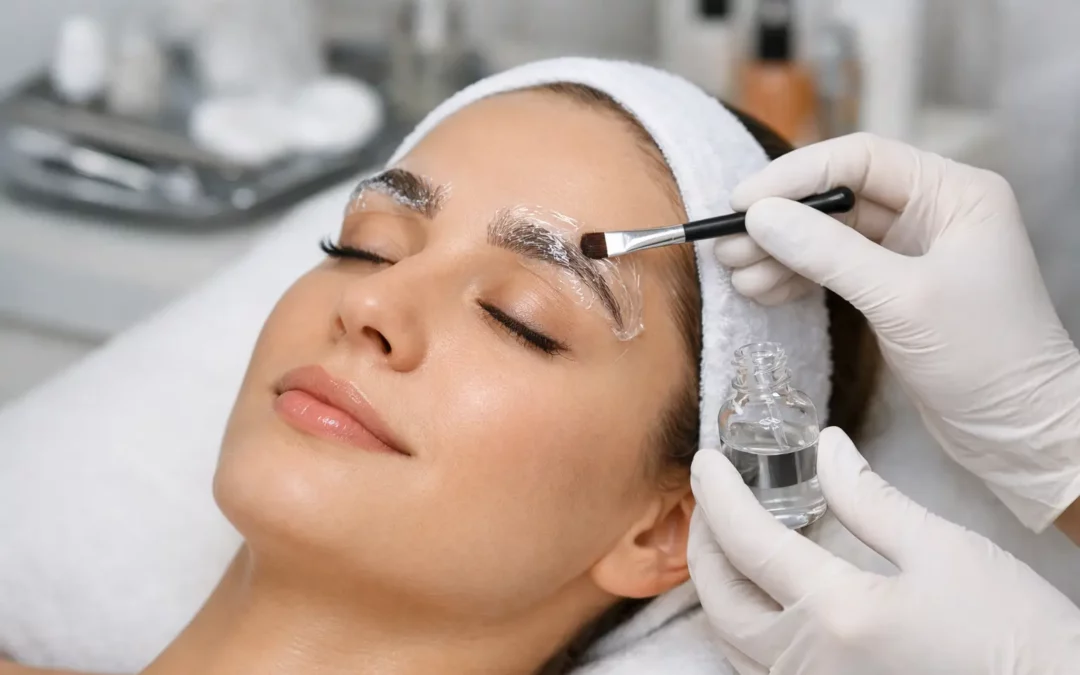
A brow lamination service can look simple from across the room. Brush the brows up, apply the solutions, shape, set, done. But any beauty professional who has seen a chemical burn, overprocessed brow hair, or a client reaction knows better. A real guide to brow lamination safety starts with one truth: this is a chemical service near delicate skin, and casual training is not enough.
That matters whether you are brand new to beauty or adding brows to an existing service menu. Brow lamination can be a strong revenue builder, but only when your work is backed by proper consultation, infection control, timing discipline, and a clear understanding of what should stop a service before it starts. The fastest way to lose trust is to treat brow lamination like a trendy add-on instead of a professional treatment.
What brow lamination safety actually involves
Brow lamination safety is not just about avoiding the worst-case scenario. It is about reducing preventable risk at every stage of the appointment. That includes client screening, patch testing when appropriate, reviewing contraindications, protecting the skin, following manufacturer directions exactly, and knowing when the brow hair or skin is telling you to slow down.
Many beginner artists focus on the visual result and forget that brow lamination changes the hair structure through chemistry. If the hair is already compromised, if the skin barrier is irritated, or if the product sits too long, the result can shift from lifted to damaged very quickly. Safety is not a separate part of the service. It is the service.
The consultation is where safe services begin
If your consultation is rushed, your risk goes up. A proper consultation should tell you whether the client is a good candidate, whether timing needs adjustment, and whether the service should be postponed altogether.
Ask about recent exfoliation, retinoids, acne medication, skin sensitivity, brow tint history, allergies, previous lamination, and any recent waxing or threading around the brow area. You also need to look at the brow skin with your own eyes. Dryness, redness, flaking, sunburn, cuts, open lesions, active breakouts, and signs of overexfoliation are not details to gloss over. They are warning signs.
Clients do not always realize what matters. Someone may casually mention they used a strong at-home peel two days ago or that they started a prescription topical last week. That information changes the service plan. Safe professionals know how to ask better questions, not just how to fill silence.
Contraindications should never be treated like a minor inconvenience
If the skin is compromised, postpone. If the client reports a recent reaction to a similar product, pause and investigate. If the brow hair is brittle from repeated chemical services, be realistic about whether lamination is appropriate right now.
This is where weak training shows up. Low-quality courses often make everything sound simple because simple sells. Real education teaches judgment. Sometimes the safest and most professional choice is saying no.
Patch testing and sensitivity checks
Not every client reaction is predictable, but many problems can be reduced through a consistent patch testing policy and honest communication. Follow your product manufacturer’s directions for patch testing and timing. Do not invent your own shortcut because you are busy or because a client says they have “never reacted to anything.”
A patch test is not a promise that a reaction can never happen. It is one part of risk reduction. You still need to monitor the skin during the service, watch for discomfort, and be ready to remove product immediately if something changes.
Just as important, explain aftercare and reaction signs clearly. A client who knows what is normal and what is not is more likely to contact you early if there is a problem.
Timing is a safety issue, not just a technique issue
One of the most common brow lamination mistakes is treating timing like a rough suggestion. Processing times are not flexible because you want a stronger lift or because the client’s brows look stubborn. Hair texture, hair condition, product system, room conditions, and previous chemical history all matter.
Overprocessing can leave brow hair kinked, frizzy, weak, or unable to hold shape properly. It can also increase irritation on the skin underneath. Underprocessing may not create the desired result, but overprocessing creates a correction problem and damages trust.
This is why hands-on education matters. A strong trainer does not just tell you the timing range. They teach you how to assess hair condition, how to work within the product system, and how to recognize when a brow should not be pushed further.
Brow mapping does not replace chemical judgment
Beautiful shaping and clean finishing are valuable skills, but they do not protect the skin. A perfectly mapped brow can still be unsafe if the skin barrier was ignored or the solution was applied carelessly. Technical artistry and safety standards have to work together.
Sanitation, infection control, and setup discipline
A clean tray and nice branding are not the same thing as infection control. Brow lamination safety depends on proper sanitation practices before, during, and after the service. Your tools, surfaces, disposables, hands, and product handling all matter.
That means starting with a clean workstation, using single-use items where appropriate, preventing cross-contamination, and following your local health requirements. If you train or work across different regions, you also need to understand that standards may vary. We deal with both provinces and states, and that means professionals must pay attention to the rules that apply where they actually practice, not where they saw a quick video online.
This is one reason serious training matters so much. Compliance is not glamorous, but it protects your client, your business, and your reputation. Licensed, insured, standards-driven education teaches more than the service itself. It teaches how to operate professionally.
Skin protection during the service
The brow area is small, but that does not make it forgiving. Product placement should be controlled, neat, and intentional. Flooding the brow with solution or dragging product onto surrounding skin increases the chance of irritation.
Watch the client’s comfort throughout the appointment. Burning, stinging, unusual redness, swelling, or watery eyes are not things to explain away. Remove the product, assess the area, and respond professionally. Do not continue a service because you do not want to lose the appointment revenue. That short-term thinking costs more later.
If you also offer tinting, waxing, or shaping, pay close attention to service order and skin condition. Stacking chemical and hair removal services without proper judgment can push the skin too far. Sometimes combining services is appropriate. Sometimes spacing them out is the safer decision. It depends on the client’s skin, history, and current condition.
Aftercare is part of the safety standard
A service is not finished when the mirror comes up. Clients need clear aftercare instructions that protect both the result and the skin. They should understand when to avoid moisture, steam, friction, strong skincare, and unnecessary touching of the brow area.
They should also know what to watch for after they leave. Mild temporary sensitivity can happen. Persistent redness, swelling, itching, rash, or increasing discomfort should not be ignored. If you do not educate clients properly, they may either panic over normal post-service sensations or miss the early signs of a true reaction.
Good professionals document what was used, how the client responded, and what aftercare was provided. That kind of recordkeeping is not excessive. It is part of a standards-based business.
Why training quality directly affects brow lamination safety
If you are choosing a course, this is where you need to be protective of your future business. Brow lamination is full of providers offering cheap certification, little oversight, and almost no meaningful support. That kind of training may teach you how to copy a result on a model. It does not prepare you to handle contraindications, timing adjustments, reaction risk, sanitation requirements, or real client variation.
A serious program should include theory, practical application, product knowledge, infection control, client assessment, and business professionalism. It should also be taught by someone transparent about standards, licensing, and safety expectations. Mentorship matters because beauty services are not performed in perfect textbook conditions. You need guidance that reflects real practice.
For many artists, adding brow lamination is not just about one service. It is about building a credible menu, earning repeat business, and creating a career that can grow without cutting corners. That only works when your foundation is strong.
A better standard protects your clients and your career
The best brow artists are not the ones chasing the fastest appointment time or the cheapest certificate. They are the ones who know when to proceed, when to modify, and when to stop. They understand that safety is not fear-based. It is what gives you the confidence to work professionally, protect your clients, and build a business people trust.
If you want longevity in this industry, treat brow lamination with the respect it deserves. Skills can be developed. Speed comes later. A strong safety standard, once built properly, becomes the part of your work that clients may never fully see but will always feel.