
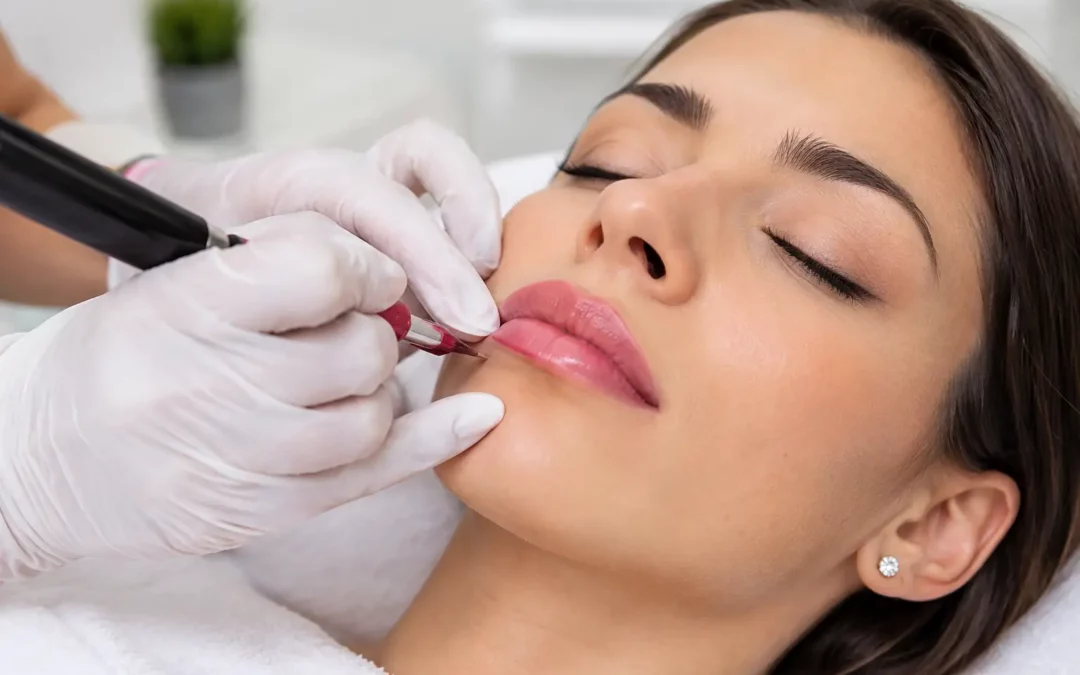
A lip blush certificate can look easy to earn. Performing a safe, flattering, healed result is another standard entirely. Learning how to perform lip blush means understanding more than pigment and a machine. You are working on a highly visible area of the face, managing client expectations, protecting skin integrity, and building a service reputation that can either grow your business or damage it quickly.
Lip blush is a permanent makeup procedure designed to enhance the appearance of the lips with soft, customized color. It can improve definition, create a more even-looking tone, and give clients a polished look without the hard outline of traditional lip tattooing. The goal is not to force every client into the same rosy shade or overline their natural anatomy. The goal is controlled enhancement that heals beautifully.
Start With Training, Not a Kit
A machine, pigments, and a social media tutorial do not make someone qualified to perform permanent makeup. Lip blush requires practical education in facial anatomy, color theory, skin behavior, sanitation, contraindications, client communication, and healed-result assessment. It also requires supervised practice with a trainer who can correct your hand pressure, stretching, mapping, and pigment choices before those mistakes reach paying clients.
Low-cost, shortcut training often skips the parts that matter most after the procedure is complete: informed consent, bloodborne pathogen protocols, adverse-reaction awareness, proper documentation, and realistic aftercare guidance. That is not a small gap. It is a risk to your client, your license or insurance, and your future business.
Before enrolling, verify that your educator provides hands-on instruction, transparent trainer credentials, live-model guidance, and clear support after certification. Regulations also vary widely. Permanent makeup requirements can differ between provinces and states, and may change by city, county, health authority, or local licensing body. Never assume a certificate alone gives you permission to practice. Confirm the rules that apply where you will work before booking clients.
How to Perform Lip Blush: A Professional Workflow
A strong lip blush appointment follows a deliberate process. The procedure itself should never feel rushed, even when you become more efficient with experience. Your client should understand what is happening, why it is happening, and what realistic healing will look like.
Begin with consultation and candid screening
The consultation is where professional judgment begins. Ask about the client’s desired outcome, daily makeup habits, previous lip procedures, history of cold sores, allergies, medications, health conditions, and recent cosmetic treatments. Review whether their goal is achievable with lip blush alone.
Some clients want a subtle wash of color. Others want better symmetry, a sharper border, or help with the appearance of uneven tone. Those are different goals, and they may require different approaches. Be honest if a client is expecting lipstick-level opacity, dramatic enlargement, or a result that conflicts with their natural lip shape. Lip blush is a soft cosmetic tattoo service, not filler and not a replacement for every makeup look.
If a client presents with a contraindication, active irritation, compromised skin, or a concern that requires medical guidance, postpone the appointment and refer them appropriately. A responsible artist knows when not to proceed.
Prepare a clean, controlled treatment space
Your setup should reflect professional infection-control standards from the moment the client enters the room. Use single-use disposable items where appropriate, maintain a clean-field workflow, protect equipment from cross-contamination, and follow the health guidelines and local requirements that govern your practice.
Sanitation is not an extra module at the end of training. It is part of every movement you make. Your client may not understand every technical step, but they will notice whether you are organized, prepared, and calm. That confidence is earned through systems, not appearances.
Document the consultation, consent, pigment information, and procedure details according to the requirements in your area and your business policies. Good records protect both the client experience and your professional operation.
Map the lips before pigment is introduced
Lip mapping sets the direction for the entire service. Study the client’s lips at rest and in conversation. Natural asymmetry is common, and a good artist does not promise to erase anatomy that is influenced by muscle movement, dental structure, or previous cosmetic work.
Use your mapping process to establish balance, support the natural lip line, and make sure the proposed shape suits the client’s face. Invite the client to review the pre-draw before you begin. This is the right time for questions and adjustments, not halfway through the procedure.
Avoid chasing perfect mathematical symmetry. A result can be technically centered on paper yet look unnatural on the face. Your eye, your consultation skills, and your training matter here.
Choose pigment for the healed result
Pigment selection is one of the biggest reasons lip blush results succeed or disappoint. The color visible immediately after the procedure is not the final color. Healing, skin tone, natural lip tone, lifestyle factors, and the client’s aftercare all affect how the result settles.
Assess the lips carefully before selecting a shade. Some clients have naturally cool, uneven, or darker areas that may need a thoughtful neutralization plan before a brighter target color is realistic. This is where inexperienced artists often make expensive promises. Applying a trendy pink over every lip base does not create the same healed outcome for every client.
Explain the plan in plain language. Show the client that the first session is part of a process, not a guarantee of one exact color on day one. A touch-up may be needed to refine saturation, adjust balance, or support even healing.
Perform the service with controlled technique
Once the client is comfortable, the lips are mapped, and the pigment plan is confirmed, work methodically. Maintain appropriate skin tension, build color gradually, and continually assess the lip tissue. The goal is even, soft color placement while respecting the skin.
Do not let speed become your standard. Overworking tissue can compromise healing and create a more difficult recovery. The correct technique is not about making the lips look intensely colored in the treatment room. It is about creating a healed result that fits the client and reflects safe, disciplined work.
Check your progress throughout the appointment. Look at both lips from different angles, reassess the border, and make thoughtful refinements rather than repeatedly working the same area. If you are unsure what you are seeing, that is a training issue to solve before performing independently, not something to guess through on a client.
Set Expectations for Healing and Aftercare
Aftercare is part of the service, not a handout clients can ignore. Give clear written instructions and review them verbally before the client leaves. They should understand that lips can appear stronger in color initially, then soften and change during healing. This does not automatically mean pigment has disappeared or that something has gone wrong.
Tell clients what normal healing can look like, what habits to avoid during the recovery period, and when to contact you with concerns. They also need to know that healed results vary. Sun exposure, skincare routines, immune response, smoking, friction, and individual skin characteristics can all affect retention.
A professional consultation includes a conversation about follow-up timing. Never promise a touch-up date that ignores the client’s actual healing. Assess the healed lips before deciding what refinement is appropriate.
Build a Lip Blush Service That Clients Trust
Lip blush can become a valuable addition to a beauty business because it combines artistry, repeat client relationships, and long-term service potential. But profitability should never be the first conversation. Your first responsibility is delivering a service you are trained, insured, permitted, and prepared to perform.
At Voila Academy, the focus is on standards-driven education that helps students build real skill, not collect another quick certificate. That means practical guidance, accountability, sanitation education, and mentorship for artists who want to work professionally and grow with confidence.
The strongest lip blush artists are not the ones who promise every client a dramatic transformation. They are the professionals who assess carefully, communicate honestly, respect the procedure, and keep improving their craft with every healed result.