
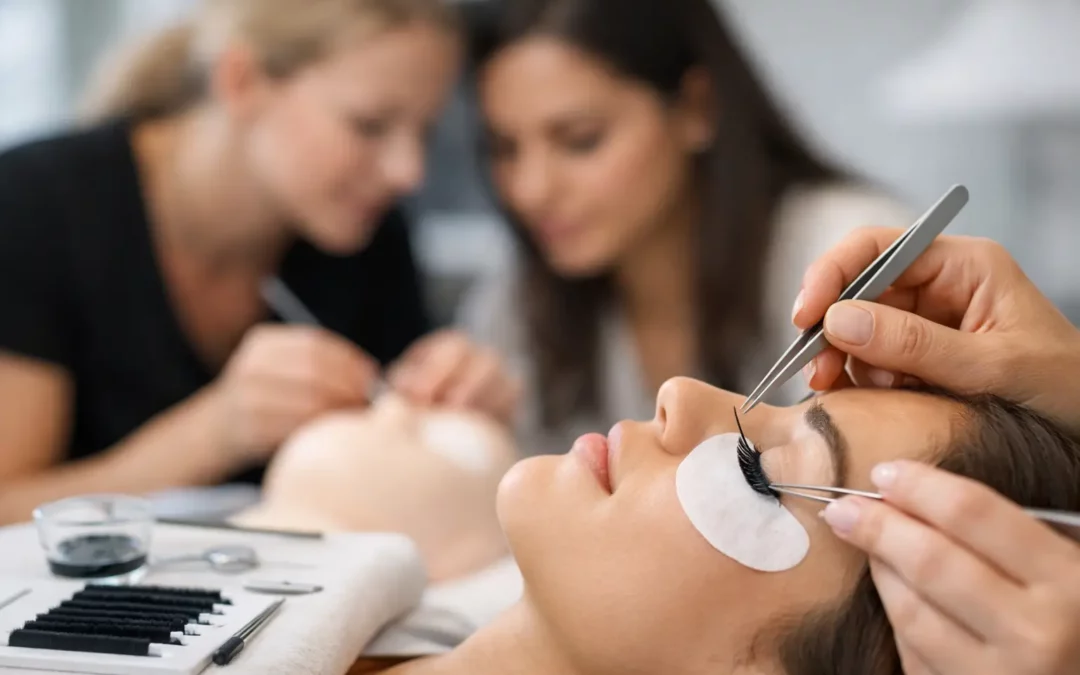
A classic lash set can look beautifully simple: one extension placed on one natural lash. But that simplicity is exactly why weak technique shows up fast. Poor isolation, oversized extensions, inconsistent direction, and rushed adhesive work can affect retention, comfort, and natural lash health. If you are asking how to learn classic lashes, start by treating it as a professional service, not a quick side hustle you can pick up from a few social videos.
Classic lashing is where many strong lash careers begin. It teaches the control, client care, sanitation habits, and judgment that carry into hybrid, volume, and specialty services later. The goal is not just to receive a certificate. The goal is to become a lash artist clients trust with their eyes.
Learn Classic Lashes From the Foundation Up
Before you think about styling maps or dramatic before-and-afters, understand what you are working with. A natural lash has a growth cycle, varying strength, and a safe capacity for an extension. Your work must respect all three. Classic lashes are not about attaching the longest or darkest extension possible. They are about selecting an appropriate length, diameter, curl, and placement for the individual client.
A legitimate course should explain natural lash anatomy, growth cycles, contraindications, allergies, adhesive safety, eye-area hygiene, and the purpose of every product in your kit. These subjects may not create the most exciting social media content, but they separate trained professionals from artists who are guessing.
You also need to learn the client consultation. A good consultation identifies eye sensitivities, recent eye procedures, medical considerations, current lash condition, desired result, and realistic maintenance expectations. No two sets should be approached exactly the same way. A client with fine, short natural lashes needs a different plan than a client with dense, healthy lashes.
Choose Training That Includes Real Supervision
Online education can be useful for theory, demonstrations, and revisiting technical lessons. It is not always enough on its own for a beginner. Lash application is highly tactile. You need someone qualified to watch your hand position, tweezers, isolation, adhesive amount, and extension direction in real time.
Look for training that includes hands-on work with a live model, not only mannequin practice. Mannequins have value when you are learning pickup, placement, and isolation movements, but they do not blink, water, shift, or arrive with natural lashes that grow in multiple directions. A live model teaches you how to work safely and calmly in the conditions you will face with paying clients.
Small class sizes matter for the same reason. If an educator cannot see your work closely, they cannot correct the habits that will later cost you retention or compromise client safety. Ask direct questions before enrolling: Who is teaching? Are they local and transparent about their qualifications? Is live-model practice included? What feedback do students receive after certification?
Do not let a low price or a same-day certificate make the decision for you. Shortcut training often leaves students buying another course later because their original foundation was incomplete. Quality education should cover technique, but it should also teach professional responsibility.
Build the Skills in the Right Order
Classic lash application requires several skills happening at once. Trying to perfect everything in one day is frustrating. Focus on one technical priority at a time, then combine them through repeated practice.
Start with isolation. You must be able to separate one natural lash completely before placing an extension. If neighboring lashes are stuck together, the client can experience discomfort as their natural lashes grow at different rates. Clean isolation protects the integrity of the set and the client experience.
Next, practice controlled placement. The extension should sit securely along the natural lash, with a clean base and correct direction. It should not rest on the skin, twist away from the lash, or attach halfway down. A technically sound attachment improves retention and creates a polished result.
Then work on symmetry and styling. Learn to assess eye shape, eyelid space, natural lash direction, and density before choosing lengths and curls. A mapping pattern is a guide, not a rule. For example, a dramatic cat-eye can be flattering on one client and make another client’s outer corners appear to droop. The best lash artists know when to adjust the plan.
Finally, develop efficient but careful workflow. Speed comes after consistency. Rushing before your isolation and attachment are dependable creates a habit of incomplete work. Clients would rather have a clean, safe set from an artist who takes appropriate time than a fast appointment with poor retention.
Practice With Purpose, Not Just More Hours
Practice is necessary, but random practice can reinforce mistakes. After each model set, assess your work honestly. Check for stickies, direction, gaps, adhesive buildup, symmetry, and the overall finish with the client’s eyes open and closed. Take clear photos in consistent lighting so you can see your progress over time.
Keep notes on what happened during the appointment. Did adhesive dry too quickly because humidity changed? Were you struggling with inner corners? Did the client have unusually curly natural lashes? These notes help you identify patterns instead of blaming every retention issue on the product.
A helpful practice routine includes mannequin drills for isolation and placement, followed by supervised live-model sets. Plan enough time for proper cleansing, consultation, application, checking, and aftercare. Do not book back-to-back models so tightly that you skip the final quality check.
You will make mistakes while learning. What matters is that you correct them before they become your standard. An experienced mentor should be willing to point out uneven direction or incomplete attachments clearly. Honest feedback is not criticism for its own sake. It is what protects your future clients and your reputation.
Treat Sanitation and Compliance as Core Skills
Lash training is not only about creating a pretty set. You are working close to the eye with tools, adhesives, disposables, and products that require disciplined hygiene. Learn proper handwashing, disinfection, tool handling, workstation setup, product storage, and waste disposal before you work on clients independently.
Requirements vary by location. Beauty professionals should understand the rules that apply in their province or state, along with local health guidelines, licensing requirements, insurance expectations, and business registration responsibilities. If you plan to relocate or serve clients across jurisdictions, confirm the requirements again. A certificate does not automatically replace local legal or regulatory obligations.
This is one reason to be cautious with vague online courses that make broad claims about being accepted everywhere. A responsible educator helps you understand what training covers and what you must verify locally. Your career deserves more than assumptions.
Learn the Business Side Before You Need It
Great application is essential, but it is only one part of a sustainable lash business. You also need to price services responsibly, manage bookings, communicate aftercare, set cancellation policies, track expenses, and create a refill schedule that supports both client results and predictable income.
Do not underprice your work just because you are new. Introductory model rates can make sense while you build speed and a portfolio, but they should still account for products, time, sanitation, and the value of your growing skill. As your technique improves, your pricing should reflect the quality and care behind the service.
Professional communication matters just as much as your photos. Be clear about patch tests when appropriate, pre-appointment instructions, refill timelines, and what clients should do if they experience discomfort or a reaction. Strong boundaries are part of good client care.
At Voila Academy, we believe serious beauty education should prepare you for the service room and the business decisions that come after it. Hands-on standards, mentorship, and accountability give new artists a stronger starting point than a rushed certification ever can.
Give Yourself Room to Become Good
Learning classic lashes takes patience because precision cannot be faked. Some students gain confidence quickly with isolation but need more time with styling. Others understand theory immediately but need repeated live-model practice to feel steady with adhesive and placement. That is normal.
Choose education that challenges you, practice with intention, and stay open to correction. Every clean isolation, thoughtful lash choice, and well-informed client conversation becomes part of the professional reputation you are building. Start with standards you can be proud of, and your skills will have room to grow.