
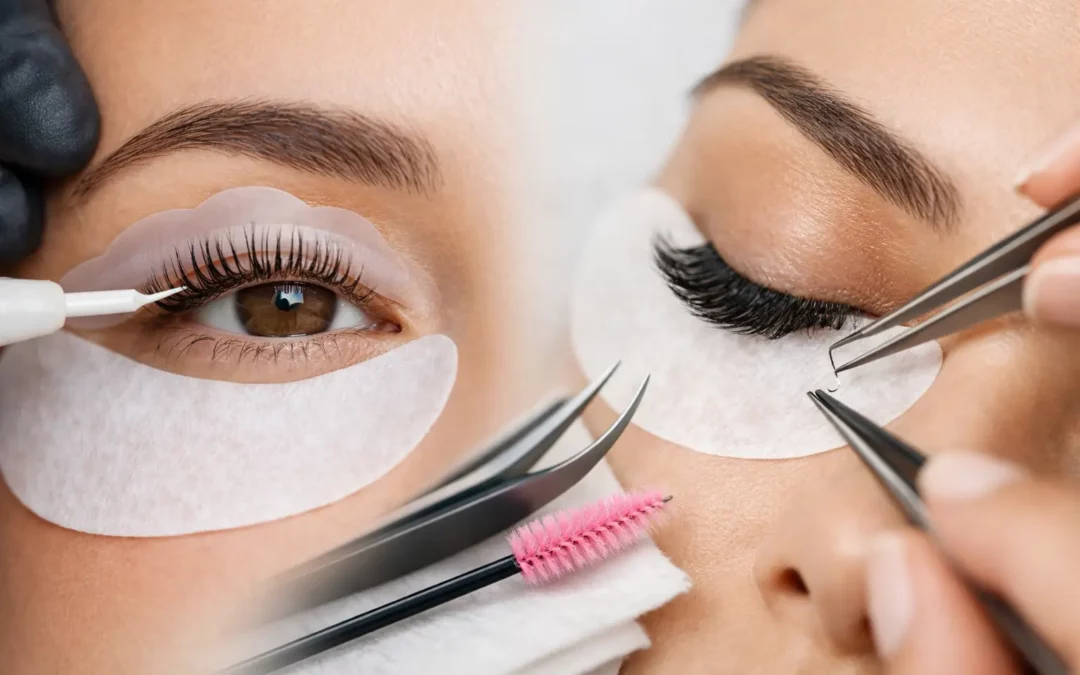
A client shows you two inspiration photos – one with soft, lifted natural lashes and one with dense, dramatic volume. She asks which service she should book. That is the real conversation behind lash lift versus extensions, and if you plan to offer either service professionally, you need more than a surface-level answer. You need to understand the result, the maintenance, the safety profile, and whether the service fits the client’s lashes, lifestyle, and expectations.
This is where many new artists get it wrong. They treat lash services like interchangeable menu items, when they are not. A lash lift and eyelash extensions solve different problems. The better you understand those differences, the better your consultations, retention, and reputation will be.
Lash lift versus extensions: the core difference
A lash lift works with the client’s natural lashes. It chemically reshapes them over a silicone shield or rod to create a lifted, more open look. If a tint is added, the lashes can also appear darker and more defined. The result is still their own lash line, just enhanced.
Extensions add synthetic fibers to individual natural lashes to build length, fullness, and style. Depending on the technique, the result can range from very natural to full glam. This gives the artist much more control over shape and density, but it also creates a more maintenance-heavy service.
That difference matters because clients are not only buying a look. They are buying a routine. A lash lift is attractive to someone who wants low-maintenance beauty and already has enough natural lash to show off. Extensions are usually better for someone who wants a more obvious transformation or does not have the natural lash density needed to create that effect with a lift alone.
Who is a good candidate for a lash lift?
A lash lift tends to work best on clients with healthy natural lashes that are medium to long in length. If their lashes grow straight or downward, a lift can make a dramatic difference without adding fibers. It is often the better fit for clients who wear little makeup, exercise frequently, swim often, or simply do not want fills on their calendar every two to three weeks.
It is also a smart option for clients who work in environments where understated beauty makes more sense than high-drama lashes. Nurses, teachers, athletes, and busy moms often appreciate that they can wake up looking more polished without changing their routine very much.
That said, not every client is a lift candidate. Very short, damaged, overprocessed, or sparse lashes may not deliver the result they expect. This is one reason strong training matters. A professional should know when to say no, when to adjust expectations, and when another service is the better fit.
Who is a good candidate for lash extensions?
Extensions are ideal when the client wants customization. Maybe she wants a cat-eye shape, a fuller lash line, or the appearance of wearing mascara every day without actually putting it on. Extensions can deliver a stronger visible result than a lash lift because they add both length and volume.
They are also useful for clients whose natural lashes do not provide enough visual impact on their own. With the right styling and safe application, extensions can create balance for different eye shapes and beauty preferences.
But extensions are not a casual add-on service from a technical standpoint. They require isolation skill, adhesive control, sanitation discipline, and a solid understanding of lash health. Poor extension work can damage natural lashes, create discomfort, and cost you client trust fast. This is exactly why serious education matters more than a quick certificate.
The maintenance conversation clients need to hear
If you want loyal clients, stop overselling convenience. Speak plainly.
A lash lift is lower maintenance, but it is not maintenance-free. Clients still need proper aftercare, especially in the first 24 to 48 hours depending on the system used. They also need realistic timing. Most lifts are refreshed around six to eight weeks, though this varies with lash cycle and growth pattern.
Extensions require more commitment. Clients need regular fills, careful cleansing, and better habits around oil-based products, friction, sleeping position, and picking. Some clients love that routine because they enjoy a consistently finished look. Others start strong and then disappear after realizing they do not want the upkeep.
This is why consultation is a business skill, not just a technical step. When you match the service to the client’s actual lifestyle, you reduce disappointment and increase rebooking.
Lash health, safety, and where artists can cause harm
Both services can be safe when performed correctly. Both can go badly when the artist is undertrained.
With lash lifts, timing, product placement, shield selection, and lash assessment matter. Overprocessing can leave lashes frizzy, dry, or distorted. Poor pad placement can affect direction and symmetry. Skipping proper patch testing or contraindication review can create avoidable issues.
With extensions, the risks usually come from poor isolation, excess adhesive, incorrect weight selection, and weak hygiene. Lashes stuck together can disrupt the natural growth cycle and cause tension on the follicle. Heavy fans on weak natural lashes are not advanced artistry – they are bad judgment.
Clients may not know the technical language, but they absolutely know when their eyes burn, their lashes break, or the work does not last. That is why standards matter. At Voila Academy, this is the line we do not cross. Beauty services should never be taught as rushed shortcuts if you expect long-term results and a legitimate career.
Profitability for the artist: not just price, but service model
New beauty professionals often compare lash services by ticket price alone. That is too simplistic.
A lash lift usually takes less time than a full set of extensions and has lower ongoing maintenance for the client. It can be an efficient, high-demand service that fits well into a busy schedule, especially when paired with tinting or other eye-area services. It is also attractive for clients who are price-conscious but still want a noticeable result.
Extensions usually have a higher initial service price and stronger recurring revenue because of fill appointments. That can make them extremely profitable in the right hands. But they also require greater technical precision, more appointment time, more consumables, and tighter retention management.
For a beauty business owner, the question is not which service is universally better. The question is which service mix fits your market, your skill level, your scheduling model, and your long-term brand. Many successful artists offer both because the services attract different clients and create multiple entry points into the business.
Which service should a beauty student learn first?
It depends on your goals, but this is where honesty matters.
If you are brand new to beauty services and want to build confidence with a lower-complexity lash service, a lash lift can be a smart starting point. It still requires proper training, product chemistry knowledge, sanitation, and client assessment, but the service flow is generally easier to learn than full extension application.
If your goal is to specialize in lashes and build stronger recurring revenue, extensions may be where you ultimately want to go. Just understand that they demand more patience, more practice, and more supervision than social media makes it look. This is not a service to learn from random clips and trial-and-error on paying clients.
A strong training path often starts with fundamentals, safety, timing, and consultation skills, then expands into more advanced technical work. That approach protects both the client and the student. Shortcut education usually does neither.
How to guide the client without guessing
When deciding between lash lift versus extensions, ask better questions. What look is the client trying to achieve? How much maintenance will she realistically commit to? What is the condition of her natural lashes? Does she want subtle enhancement or visible transformation?
Then assess what you can actually deliver safely. If a client with short, sparse lashes wants dense strip-lash drama, a lift is probably not going to satisfy her. If a low-maintenance client hates the thought of fills and still wants to rub her eyes, extensions may not be the right service. Good artists do not force the booking. They guide the decision.
That is part of becoming a trusted professional instead of a technician who just takes orders. The beauty industry has enough poorly trained providers saying yes to everything. The artists who build real careers are the ones who know when to recommend, when to redirect, and when to decline.
The best choice is the one that fits the client honestly, can be performed safely, and supports the kind of beauty business you actually want to build. Learn the difference well enough that your answer does more than sell the service – it shows your standards.